Sponsored by the Parish Council & CWaC
Tattenhall Features in the Guardian

The Success of No Mow May in Tattenhall
An article in the Guardian on the No Mow May movement, features Tattenhall as an example of the movements success.
Now in its ninth year, No Mow May – run by the charity Plantlife – encourages people to stop mowing their lawns during the first month of spring to allow their gardens to become more biodiverse. By encouraging wildflowers to grow, No Mow May participants are helping to restore pockets of species-rich grassland, also known as wildflower meadow. According to Natural England, agricultural changes in England and Wales since the 1930s have led to a 97% decline in this type of habitat, as swathes of ancient meadow were cleared to make room for arable crops after the second world war. According to Andy Jennings-Giles, a senior ecologist at Plantlife, plenty of seeds can live underground, waiting for their chance to flower, in even the most keenly mown gardens. “The year that you leave it to grow throughout May, June and July, it will all come up. You will suddenly see all these flowers that appear from nowhere,” he says.
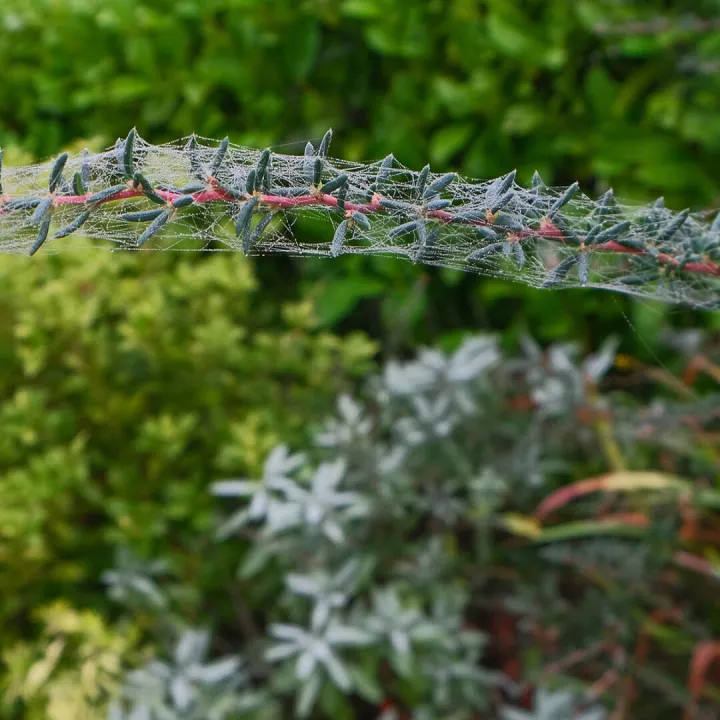
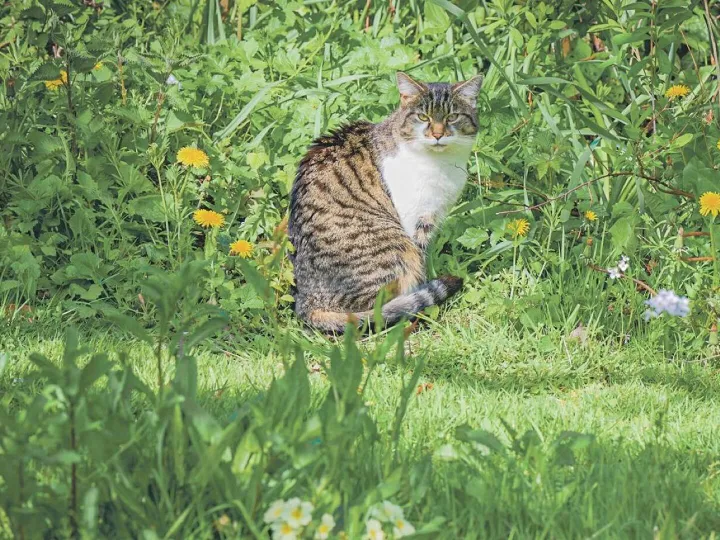
In Tattenhall, many have taken part over the years, connecting with nature through their back gardens. The article highlights 3 residents whose actions have encouraged this biodiversity. The first example, as shown by the attached picture, shows that it is not only the humans and plants which benefit from this approach. Today, aside from a central mown patch for grandchildren, the garden has become a miniature meadow. “The more it it grows, the more addicted I get to it – I just like to see what comes up,” the owner says.
The second example lifted a loose paving slab and spotted something extraordinary: a tiny field mouse nestled in a hollow, feeding four babies – each half the size of your little finger. “It was astonishing. Like life in miniature,” the owner says. The discovery of the field mice made him realise his garden could be a thriving habitat for animal and plant life.
In the third example, there is a small patch of grass that, to the untrained eye, might look overgrown with weeds. However, closer inspection reveals there are at least five flowers and even more grass species that will flourish come summer, including the common spotted orchid, betony (Stachys officinalis), common knapweed, yellow rattle and columbine.
Plantlife recommends leaving gardens uncut not just in May but throughout summer to see what flowers, then cutting back in July or August after flowering has finished. Crucially, the cuttings should be removed to keep soil fertility low – while grass thrives on high fertility soil, wildflowers have evolved to become the opposite. With each passing year, this approach can transform the diversity of a garden: allowing deep-rooted perennials to improve its soil structure, store more carbon and create an ecosystem for plants, birds, butterflies and bees.
To see full article and photographs :
WeLoveTattenhall
Get In Touch
Tattenhall Online is powered by our active community.
Please send us your news and views using the button below: