Sponsored by the Parish Council & CWaC




Gardening in the face of Climate change
This summer has been exceptionally challenging for gardeners, especially this far north where we are not used to such high temperatures. Endlessly watering plants will not be possible in the future- and it also takes a lot of time unless you install an irrigation system, which not only would be expensive, but also not so good in a climate where there could be water shortages.
So how can we prepare for such changes- we need to look at plants that can grow in a hot summer with drought but also possibly colder winters. There are gardens in the south east of the UK which have already had to manage high temperatures and drought. Beth Chattos garden in Essex has very low rainfall, and is a garden based on clay. They have used an old car park to put a thick layer of gravel down and grow plants into this- digging a hole in the gravel and filling with compost and gravel mix then planting into that, and then watering in. They have found the plants they use thrive in these conditions without further watering.
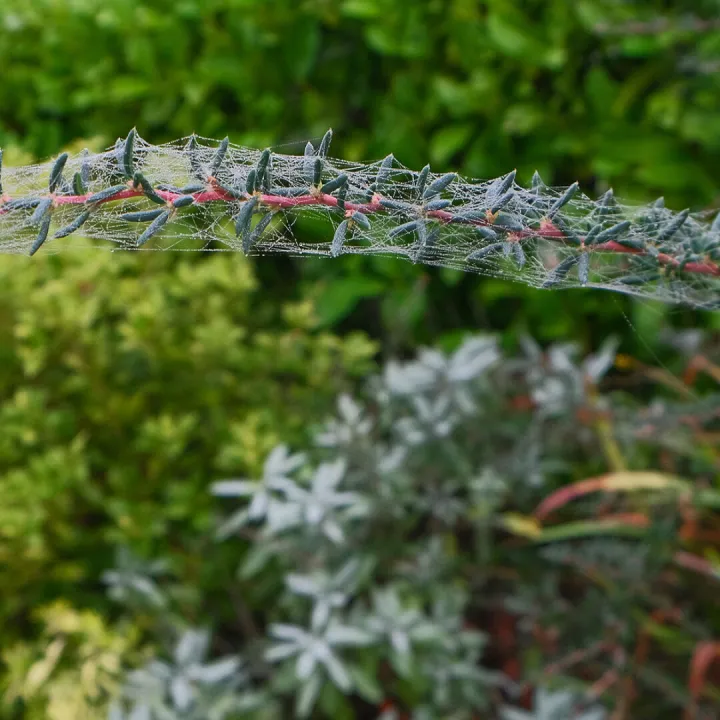
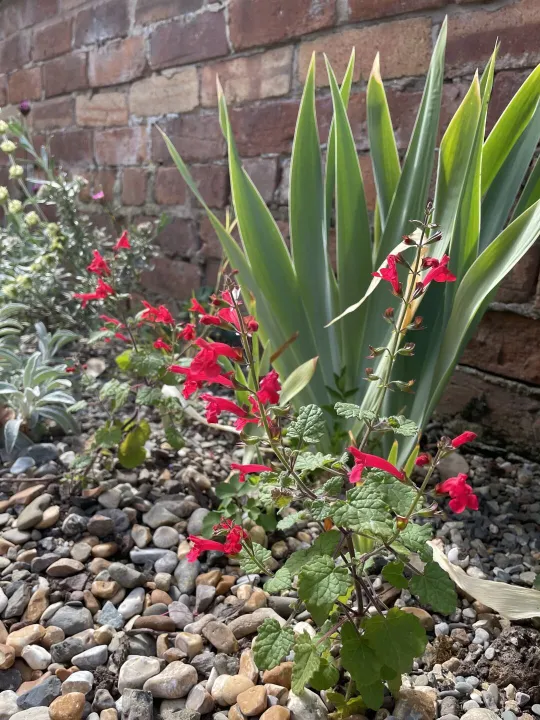
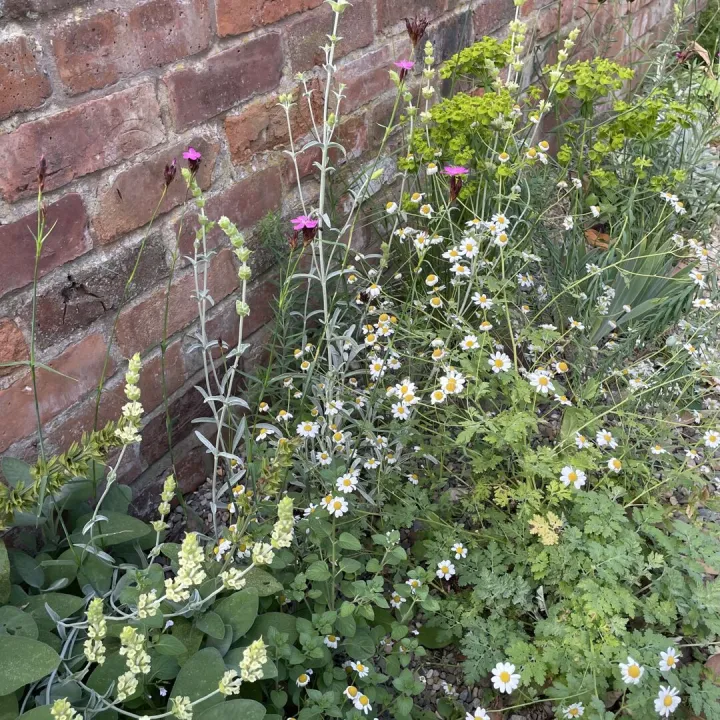
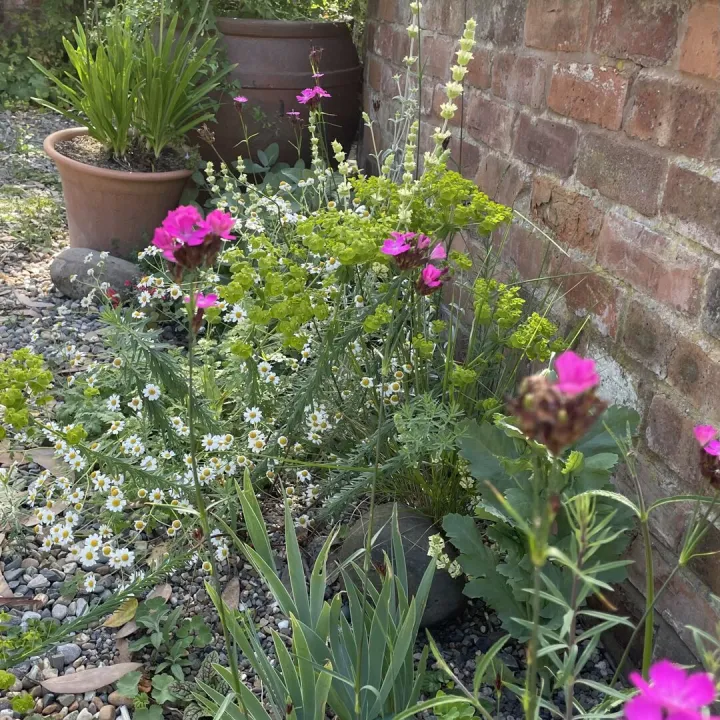
We started a small area of gravel garden on our small car park this spring- see photos, and this has not been watered since. We planted grey leaved and small leaved plants. See photos. Lavenders, Santolina and Phlomis would also grow in these conditions, providing plenty of nectar and pollen for insects.
The vegetable garden may be more tricky- runner beans, broad beans and peas certainly do not like hot dry conditions, but french beans are fine. Surprisingly carrots, beetroot and parsnips are relatively drought tolerant. Salad groups are very vulnerable, so it might be better to grow baby leaf crops which use less water.
Jobs for the July garden
Dead head and cut back perennials that have gone over to encourage new growth
Don’t mow the lawn, although it is brown, it will recover when it rains
Collect seed like marigolds, poppies and love in the mist to sow in the autumn
Early July the last time to sow beetroot and carrots, French beans and salads for autumn.
If you water -then water deeply into the roots not just the surface.
Pick beans and courgettes before they get too big.
WeLoveTattenhall
Get In Touch
Tattenhall Online is powered by our active community.
Please send us your news and views using the button below: